
Published October 14, 2025
The Financial Advantages When You Buy A House In Atlanta vs. Coastal Cities

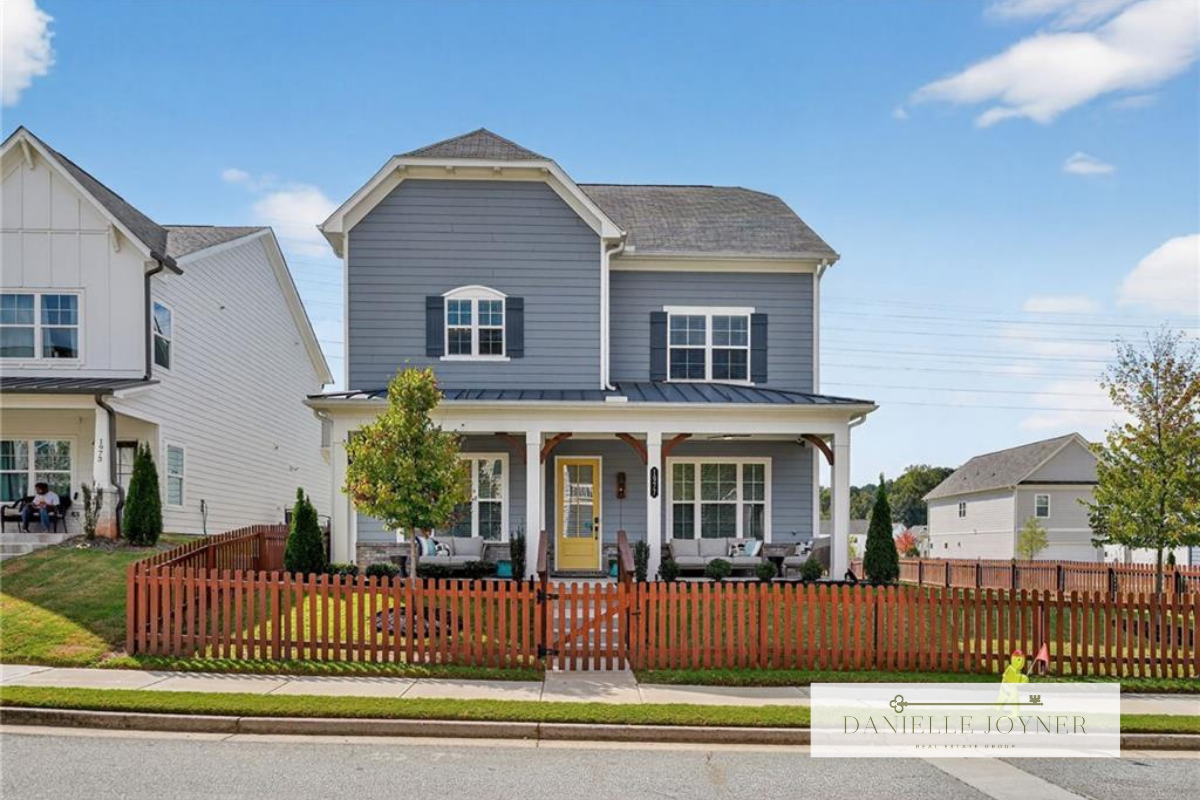
When you buy a house in Atlanta, you're making a strategic investment that offers financial advantages coastal city buyers simply can't access. After nearly two decades in real estate and having managed multi-million dollar business operations, I've watched sophisticated buyers increasingly recognize Atlanta as one of the country's smartest luxury real estate markets. The numbers tell a compelling story, but the real advantage goes deeper than just purchase price comparisons.
Atlanta combines genuine luxury living with financial rationality - something coastal markets struggle to deliver. But beyond the obvious cost savings, there's a critical factor many buyers overlook: environmental stability. While coastal cities face mounting challenges from climate change, rising insurance costs, and natural disaster risks, Atlanta sits on stable ground with weather patterns that protect rather than threaten your investment.
The Purchase Price Reality Check
Let's start with the obvious advantage. When you buy a house in Atlanta at the luxury level, your money goes dramatically further than it would in coastal markets. A $2 million budget that might secure a modest three-bedroom condo in Manhattan, a dated house in San Francisco, or a standard property in Miami buys you a stunning estate in Atlanta's most prestigious neighborhoods.
Consider what $2 million buys you in different markets:
Manhattan: A 1,500 square foot condo with maintenance fees exceeding $3,000 monthly, no yard, and limited parking.
San Francisco: A dated 2,000 square foot house in need of updates, likely built in the 1950s or earlier, with earthquake risk constantly looming.
Miami: A nice property, but with hurricane insurance costs that can exceed $10,000 annually and the constant threat of storm damage.
Atlanta: A custom-built 5,000+ square foot estate in Buckhead or Ansley Park, with acreage, pool, guest house, and room for everything your lifestyle requires.
The math isn't even close. When you buy a house in Atlanta, you're getting exponentially more property, space, and luxury amenities for the same investment.
The Hidden Costs Coastal Buyers Face
Purchase price tells only part of the story. Coastal city homeowners face ongoing costs that Atlanta buyers avoid entirely, creating financial advantages that compound over time.
Insurance Cost Realities
Homeowners insurance in coastal markets has become prohibitively expensive, and in some cases, nearly impossible to obtain. Hurricane-prone areas like Miami face annual insurance premiums that can exceed $15,000 for luxury properties, with deductibles reaching 5-10% of property value. That means a $2 million home might carry a $100,000 deductible before insurance coverage even kicks in.
California's wildfire risks have made insurance companies flee the market entirely. Many luxury homeowners in areas like Malibu or the Oakland Hills can't find coverage at any price, forcing them into state-run insurance pools with limited coverage and astronomical premiums.
Earthquake insurance in California adds another layer of expense, with premiums ranging from $2,000 to $5,000 annually for properties that might still face catastrophic loss if "the big one" hits.
When you buy a house in Atlanta, you avoid all of these costs. Standard homeowners insurance runs a fraction of what coastal residents pay, with no earthquake riders, no hurricane coverage surcharges, and no wildfire exclusions. For a luxury property, this difference can save $10,000 to $20,000 annually - money that stays in your pocket or gets invested elsewhere.
Property Tax Comparisons
Property taxes vary significantly across markets, and coastal cities typically charge substantially more than Atlanta for comparable properties. Let's compare annual property taxes on a $2 million property:
New Jersey Coastal Areas: $40,000+ annually (some of the nation's highest rates) California (Bay Area/LA): $25,000-$30,000 annually New York City: $20,000-$35,000 annually depending on assessment Miami: $30,000-$40,000 annually for luxury properties Atlanta: $15,000-$20,000 annually for comparable luxury homes
These differences compound dramatically over time. Over a 10-year ownership period, the property tax savings from choosing Atlanta over a high-tax coastal market can exceed $200,000 - enough to completely renovate your Atlanta home or invest for substantial returns.
Maintenance and Climate Control Costs
Coastal climates create maintenance nightmares that Atlanta homeowners rarely face. Salt air corrodes everything it touches, requiring constant repainting, metal replacement, and upkeep that inland properties don't need. HVAC systems work harder in extreme heat and humidity, while heating costs soar in cold coastal markets.
California's drought conditions mean water restrictions, expensive landscaping modifications, and potential fines for excessive water use. Florida's humidity breeds mold requiring constant vigilance and remediation. Northeast coastal winters mean snow removal, ice damage risks, and heating bills that shock even wealthy homeowners.
Atlanta's moderate climate means lower utility costs, less weather-related maintenance, and landscaping that thrives without extraordinary water demands or desert-appropriate modifications.
The Climate Risk Factor: Environmental Stability Matters
Here's what many luxury buyers are starting to understand: when you buy a house in Atlanta, you're investing in environmental stability that coastal markets simply can't match. Climate change isn't a future threat anymore - it's a present reality affecting property values, insurance availability, and long-term investment viability in coastal areas.
Hurricane and Storm Surge Threats
Coastal cities face increasing hurricane intensity and frequency. Miami, Charleston, and Gulf Coast markets deal with hurricane seasons that grow more destructive each year. Storm surge threatens low-lying coastal properties, while wind damage affects inland areas for miles.
Beyond the immediate destruction risk, hurricanes create cascading financial impacts. Insurance claims spike, driving premiums higher. Properties require extensive repairs and updates to meet strengthened building codes. Some neighborhoods become functionally uninsurable, making properties difficult to sell and impossible to finance.
Atlanta sits hundreds of miles inland, completely protected from hurricane storm surge and major wind damage. Tropical systems occasionally bring rain to Atlanta, but by the time they arrive, they're weakened tropical depressions causing nothing worse than a rainy day.
Earthquake Vulnerability
California's earthquake risk represents one of real estate's most significant unquantified dangers. The "big one" everyone discusses isn't a matter of if, but when. Luxury properties in San Francisco, Los Angeles, and throughout California sit on or near major fault lines that could produce catastrophic damage at any moment.
Earthquake damage often exceeds coverage limits, leaving homeowners with destroyed properties and massive repair bills. Even properties that survive major earthquakes may require expensive seismic retrofitting to remain safely habitable.
Atlanta sits on ancient, stable bedrock with zero earthquake risk. The ground beneath your Atlanta luxury home isn't shifting, cracking, or threatening to liquefy during the next major seismic event.
Wildfire Dangers
California's wildfire seasons grow longer and more destructive each year. Luxury properties in areas like Malibu, Oakland Hills, and Santa Barbara face constant evacuation threats. Some neighborhoods have burned multiple times in recent decades, each time requiring complete rebuilds at massive expense.
Insurance companies have largely abandoned California's wildfire-prone areas, leaving homeowners scrambling for coverage or going without protection entirely. Property values in fire-prone areas are declining as buyers recognize the unsustainable risk.
Atlanta's climate and vegetation create zero wildfire risk. The abundant rainfall, moderate temperatures, and deciduous forests mean your property faces no threat from the devastating fires plaguing western states.
Sea Level Rise and Flooding
Coastal properties face existential threats from rising sea levels. Miami already experiences "sunny day flooding" where high tides bring seawater into streets and properties without any storm present. Projections show many current coastal properties will be partially or fully underwater within decades.
Property values in flood-prone coastal areas are already declining as buyers recognize these risks. Banks are becoming hesitant to write 30-year mortgages on properties that may be underwater - literally - before the loan matures.
When you buy a house in Atlanta, you're sitting at over 1,000 feet above sea level with zero flooding risk from rising oceans. Atlanta's elevation and distance from coastlines means your property investment remains secure regardless of how high sea levels rise.
Tax Advantages Beyond Property Taxes
Georgia's overall tax structure creates additional financial advantages compared to many coastal states.
State Income Tax Comparisons
While Georgia has a state income tax, it's substantially lower than most coastal states. For high-income earners, these differences compound significantly:
California: Up to 13.3% state income tax (nation's highest) New York: Up to 10.9% state income tax
New Jersey: Up to 10.75% state income tax Georgia: 5.75% flat tax rate
For a high-earning executive or business owner, the income tax savings from Georgia versus California could exceed $100,000 annually. Over a career, this difference represents millions in savings that can be invested, saved, or used to enjoy Atlanta's excellent quality of life.
No Estate Tax Burden
Georgia has no state estate tax, unlike many coastal states that impose substantial taxes on estates exceeding certain thresholds. For high-net-worth individuals focused on wealth preservation and legacy planning, this creates significant advantages for Atlanta-based real estate holdings.
The Appreciation Potential Equation
Coastal markets have experienced dramatic appreciation, but future growth faces headwinds from climate risk, insurance costs, and affordability limits. Atlanta's market offers more sustainable appreciation potential built on fundamentals rather than speculation.
Corporate Relocations Driving Demand
Major corporations continue relocating operations to Atlanta, bringing high-income executives who need luxury housing. This corporate migration creates consistent luxury real estate demand without the boom-bust cycles that plague some coastal markets.
Companies choose Atlanta for the same reasons luxury homebuyers do: better value, lower costs, excellent quality of life, and yes, stable environmental conditions that don't threaten business continuity with hurricanes, earthquakes, or wildfires.
Infrastructure Investment and Growth
Atlanta continues investing in infrastructure, transit, and amenities that support long-term property value growth. The city's expansion brings new restaurants, cultural venues, and business opportunities while maintaining the characteristics that make it attractive.
Coastal cities face different infrastructure challenges - building seawalls against rising oceans, reinforcing levees, upgrading drainage systems, and planning managed retreats from vulnerable areas. These defensive infrastructure investments don't enhance property values; they're desperate attempts to maintain viability.
Climate Migration Patterns
A new trend is emerging: climate migration. Wealthy individuals and families are increasingly considering environmental stability when making long-term location decisions. Atlanta benefits from this shift, attracting buyers who recognize that luxury real estate should be built on stable ground, not shifting sand or earthquake-prone bedrock.
My MBA from Florida Agricultural & Mechanical University taught me to analyze long-term trends and their implications. The data clearly shows that environmental stability will increasingly drive luxury real estate values, making Atlanta's position stronger with each passing year.
The Quality of Life Calculation
Financial advantages mean little without quality of life to match. Atlanta delivers both - something coastal cities increasingly struggle to provide at any price.
Weather You Can Actually Enjoy
Atlanta offers four distinct seasons with moderate temperatures and beautiful springs and falls. You can enjoy outdoor activities year-round without extreme heat, bitter cold, or constant weather threats.
Compare this to:
- Miami's oppressive summer heat and humidity
- San Francisco's cold, foggy summers
- Northeast coastal cities' brutal winters
- California's drought-restricted outdoor living
When you buy a house in Atlanta, you're investing in a climate that enhances rather than limits your lifestyle.
World-Class Amenities at Accessible Prices
Atlanta offers cultural amenities, dining, entertainment, and recreational opportunities that rival any coastal city, but at prices that don't require a seven-figure income to enjoy. The High Museum, Fox Theatre, Mercedes-Benz Stadium, and countless restaurants and venues provide sophisticated entertainment options.
Business Connectivity
Hartsfield-Jackson Atlanta International Airport provides unmatched connectivity. As the world's busiest airport, it offers direct flights to more destinations than most coastal cities, making Atlanta ideal for business travelers and those maintaining multiple properties.
Making the Strategic Choice
When you buy a house in Atlanta versus a coastal city, you're making a strategic investment decision that considers not just today's purchase price, but decades of ownership costs, environmental risks, and quality of life factors.
My nearly two decades in real estate and business have taught me to evaluate decisions through multiple lenses. The financial advantages Atlanta offers aren't just about getting more house for your money - though that alone is compelling. The real advantage comes from buying property on stable ground, in a growing market, with sustainable long-term prospects.
Coastal city real estate faces mounting challenges that no amount of money can fully solve. When insurance companies - whose business model depends on accurately assessing risk - flee entire markets, that tells you something important about long-term viability.
Atlanta offers luxury without the existential questions. Your property won't flood from rising seas, won't collapse in an earthquake, won't burn in wildfires, and won't get destroyed by hurricanes. These aren't small advantages - they're fundamental to sound real estate investment.
Ready to explore how Atlanta's financial advantages and environmental stability can enhance your real estate portfolio? Contact Danielle Joyner today to discover luxury properties in one of America's most strategically sound real estate markets.
or another way